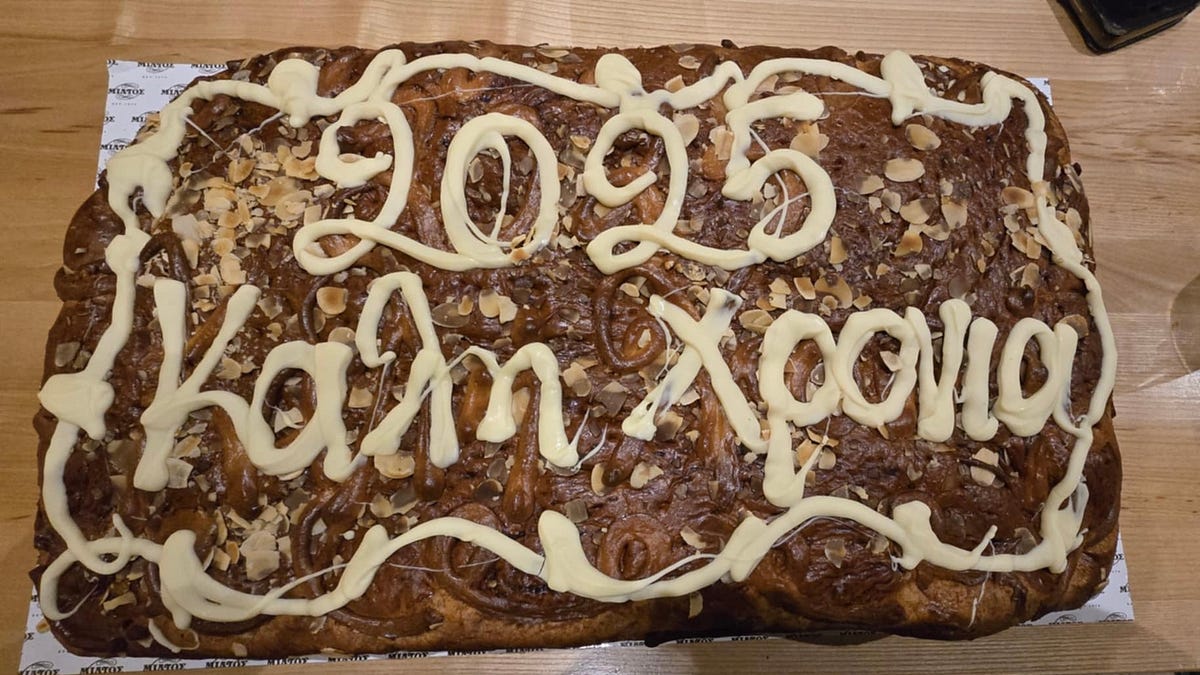
As the clock strikes midnight on New Year's Eve, anticipation fills Greek homes and those of the wider diaspora. Families gather, not just to toast to a new year, but to partake in a beloved, ancient tradition: the cutting of the vasilopita. More than just a cake or bread, vasilopita is a symbol of hope, good fortune, and communal blessings for the year ahead. This ceremonial New Year's treat, imbued with both culinary artistry and profound symbolism, holds at its heart a hidden coin, promising luck to whoever discovers it. Let's delve into the rich history, diverse forms, and heartwarming ritual that make vasilopita a cornerstone of Greek New Year celebrations.
The Legend of Saint Basil: A Legacy of Generosity
The very name Vasilopita, meaning 'Basil's pie' or 'Saint Basil's bread', anchors this tradition firmly to Saint Basil the Great. Celebrated on January 1st, Saint Basil's feast day aligns perfectly with the ushering in of the New Year in the Greek Orthodox calendar. The most enduring legend behind this custom speaks of Saint Basil, the fourth-century bishop of Caesarea, who, during a time of great famine and heavy taxation, devised an ingenious way to help his impoverished parishioners. To prevent the townspeople from being robbed of their valuables by the Prefect, Basil gathered their gold and and jewels, promising to return them when the crisis subsided. Upon the Prefect's departure, Basil, unsure of who owned which item, baked the precious coins and trinkets into loaves of bread. He then distributed these loaves among the community, ensuring that each person, by divine providence, would receive their rightful belongings or at least a blessing of unexpected fortune. This act of discreet charity and faith is said to be the genesis of the Vasilopita: Greece's Lucky New Year's Day Cake Tradition as we know it today, a beautiful reminder of selfless giving and trust in providence.
While this popular belief is widely accepted, historical accounts by scholars like Margaret Hasluck suggest the tradition's origins might predate its direct association with Saint Basil. However, the narrative of his generosity has become inextricably linked with the custom, cementing his role as the patron of the New Year's cake and strengthening its spiritual significance.
A Culinary Canvas: Regional Vasilopita Variations
While the essence of vasilopita remains constant – a celebratory bake with a hidden coin – its form is remarkably diverse. Across Greece and Southeastern Europe, the "New Year's pie" takes on myriad guises, reflecting local culinary traditions and available ingredients. The most common varieties are:
- Sweet Bread (Tsoureki-style): Often enriched with eggs, butter, sugar, and flour, this version resembles a brioche or a sweet, aromatic bread. Flavors like orange zest, mastic (a fragrant resin from Chios), or mahlab (a spice from cherry pits) are frequently incorporated, lending a distinctive aroma. This is perhaps the most widely recognized form, often adorned with slivered almonds or a simple cross.
- Cake-like: Some families prefer a richer, denser pound cake consistency, offering a different textural experience while maintaining the festive sweetness. These are often simpler to prepare than yeast-based breads.
- Galatopita (Custard Pie): In certain regions, particularly those with a strong dairy tradition, vasilopita can manifest as a galatopita – a creamy milk custard baked within a phyllo crust, still concealing the lucky coin. This offers a lighter, more delicate alternative.
- Savory Pies: Venturing further afield, especially in areas like Thessaly, the tradition might take a savory turn. Here, a pork-filled phyllo pie, also known as Chronópita (meaning 'New Year's pie'), might house the coveted trinket, diverging significantly from the sweet standard but adhering to the lucky coin ritual. This variant is often enjoyed as part of a hearty New Year's meal.
It's important to note that while the hidden coin tradition is shared, its association with Saint Basil is primarily Greek. Vasilopita & Beyond: Hidden Coin Cakes Across Southeastern Europe highlights similar customs, such as the Serbian česnica (eaten on Christmas), Ukrainian pirog, Romanian hidden coin bread, or Bulgarian pogacha and Novogodishna banitsa, which also celebrate the winter holidays with a lucky bake, but without the direct link to Saint Basil. This broad presence underscores the ancient, widespread human desire to invite fortune at the turn of the year.
The Heart of the Celebration: The Ceremonial Cutting
The true magic of vasilopita unfolds during its ceremonial cutting, a ritual steeped in symbolism and executed with reverence. This event typically takes place at the stroke of midnight on New Year's Eve, transforming a simple dessert into a solemn blessing for the year ahead. The process is precise and meaningful, usually led by the head of the household:
- The Sign of the Cross: Before any slices are made, the baker or head of the household uses a knife to etch the sign of the cross deeply into the top of the vasilopita, invoking divine blessing and consecrating the moment.
- Slicing for the Divine and the Home: The first few slices are never for individuals. Traditionally, they are dedicated to:
- Christ: The very first slice is offered to the Lord, acknowledging divine presence and guidance.
- Saint Basil: The second honors Saint Basil himself, acknowledging his charitable legacy and blessing for the home.
- The Household/Home: A third slice may be for the household itself, symbolizing protection and prosperity for the physical dwelling and all who reside within.
- The Poor or the Kallikantzaroi: In some local and family traditions, slices are also set aside for the poor, continuing Saint Basil's charitable spirit, or even for the mischievous Kallikantzaroi, mythical goblins believed to wreak havoc during the twelve days of Christmas, offering them a treat to ward off mischief and ensure peace.
- Family and Guests: Only after these symbolic portions are made, slices are then cut for each family member present, usually in order of age, from the eldest to the youngest. Any visitors are also included, extending the blessings to all who share the moment.
- The Lucky Find: The moment of truth arrives as everyone carefully inspects their slice. The person who finds the hidden coin (or trinket) is considered to be blessed with good luck, health, and prosperity for the entire new year. Historically, the coin could be a valuable gold sovereign, signifying true wealth. Nowadays, while often a standard coin, it is frequently accompanied by a pre-arranged gift, money, or otherwise, adding to the excitement and making the discovery even more rewarding.
This communal act reinforces family bonds, instills a sense of shared destiny, and offers a tangible piece of hope as the new year begins, making the vasilopita cutting a deeply cherished annual event.
Beyond the Home: Vasilopita in Public Life
The significance of vasilopita extends far beyond the family dining table. Throughout January and even into early February (before the Great Fast begins), private and public institutions across Greece and the diaspora host their own vasilopita-cutting events. These gatherings can range from informal potlucks in workplaces to elaborate galas and formal receptions for clubs, societies, and companies. The ritual remains the same: a blessing, a communal meal, and the anticipation of finding the lucky coin. These events serve not only as a way to usher in the new year with good wishes for collective success but also as important social occasions, fostering camaraderie and strengthening community ties among colleagues, members, and patrons. It's a testament to the custom's enduring power that it adapts seamlessly from intimate family settings to large-scale public celebrations, symbolizing shared purpose and collective fortune.
Baking Your Own Vasilopita: Tips for a Blessed New Year
Embracing the vasilopita tradition can be a wonderfully rewarding experience, even if you're new to Greek baking. Here are some tips for making your own lucky New Year's bread:
- Choose Your Style: Decide whether you prefer a sweet, brioche-like bread, a richer cake, or a savory pie. The sweet, tsoureki-style vasilopita is a popular and forgiving starting point for beginners. There are countless recipes available online and in cookbooks.
- Key Flavorings: Don't skip the aromatic additions! Orange zest, a hint of mastic, or mahlab powder are traditional and add a unique depth of flavor. If you can't find mastic or mahlab, orange zest and vanilla extract are excellent substitutes that still yield a delicious result.
- The Coin: Ensure the coin is thoroughly cleaned and wrapped tightly in aluminum foil before baking to ensure hygiene and prevent any metallic taste. Make sure to embed it carefully into the dough or batter (usually after the first rise for bread, or just before baking for cakes) so it doesn't poke through the bottom or top during baking. Always inform guests about the coin's presence before serving!
- Decorative Touches: Many vasilopites are decorated with the year's numerals or a simple cross using dough strips, slivered almonds, or a dusting of powdered sugar after baking. Get creative with your design to personalize your vasilopita.
- Timing is Everything: While traditionally cut at midnight on New Year's Eve, you can bake it earlier in the day to allow it to cool properly. Just ensure it's cooled before slicing to get clean cuts. For institutions, the cutting ceremony can happen any time in January or early February.
- Involve the Family: Make the baking process a family affair, especially with children. It's a wonderful way to pass on cultural traditions, teach about Greek heritage, and create lasting memories together in anticipation of the lucky moment.
Baking your own vasilopita is not just about creating a delicious treat; it's about participating in a centuries-old ritual, infusing your home with blessings, and sharing a moment of hope and anticipation with loved ones.
Conclusion:
The vasilopita ritual is far more than an annual culinary tradition; it is a vibrant expression of faith, hope, and community. From its legendary origins rooted in Saint Basil's compassionate generosity to its diverse regional interpretations and the heartfelt ceremony of its cutting, vasilopita embodies the spirit of a new beginning. It reminds us of the importance of charity, the blessings of family, and the enduring human desire for good fortune. As families gather to slice this symbolic cake, they are not merely sharing a dessert; they are partaking in a timeless ritual, weaving threads of tradition, hope, and prosperity into the fabric of the year ahead. May your vasilopita bring you blessings and good luck in the New Year!
