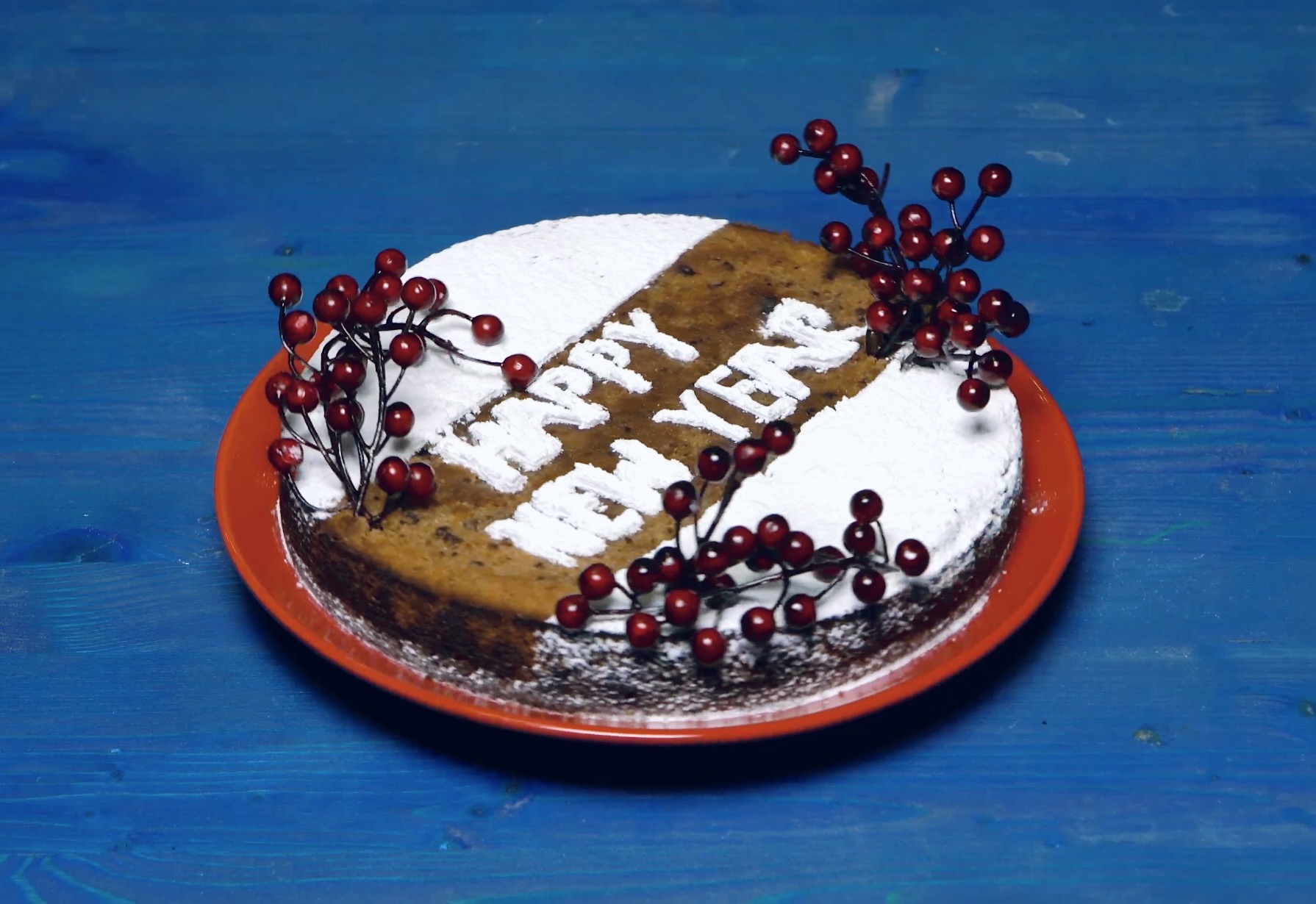
Vasilopita: Greece's Lucky New Year's Day Cake Tradition
As the clock strikes midnight on New Year's Eve, signaling the dawn of a new year, families across Greece and the Greek diaspora gather for a cherished annual ritual: the cutting of the Vasilopita. More than just a festive cake, this sweet, aromatic bread embodies centuries of tradition, hope, and the promise of good fortune. Baked with a hidden coin or trinket, the Vasilopita is the centerpiece of a ceremony believed to bless the home and its inhabitants for the twelve months ahead, making it an indispensable part of Greek New Year's Day celebrations.
Derived from "Vassilis" (Basil) and "pita" (pie or bread), Vasilopita literally translates to "Saint Basil's pie." It's a culinary and cultural touchstone, intertwining flavors, faith, and family bonds into a single, delectable offering. Whether you're Greek or simply intrigued by global traditions, understanding the Vasilopita unveils a rich tapestry of history, legend, and heartwarming custom.
What is Vasilopita? More Than Just a Cake
At its core, Vasilopita is a celebratory New Year's Day cake, bread, or pie that holds a unique secret: a hidden coin or small trinket baked into its dough. The person who discovers this lucky charm in their slice is believed to receive good luck and prosperity for the entire new year. While the core concept remains consistent, the Vasilopita itself boasts a delightful variety of forms, reflecting regional tastes and family recipes.
Typically, it's a sweet, round loaf, often enriched with butter, eggs, and sugar, similar to a brioche or a rich pound cake. However, its character can vary dramatically across Greece. Some families prefer a more brioche-like texture, delicately flavored with orange zest, while others might incorporate traditional Greek spices like mahlab (a fragrant cherry pit spice) or mastic (a resin from the mastic tree, offering a unique pine-like aroma). There are even savory interpretations; for instance, in the Thessaly region, a meat-filled phyllo pie containing the coin is sometimes prepared. Another variation is galatopita, a custard-based milk pie that takes on the Vasilopita role.
Beyond "Saint Basil's pie," this auspicious confection is also affectionately known as Chronopita (Χρονόπιτα), meaning "New Year's pie" (from chronos, meaning time/year, and pita, meaning pie). This alternative name highlights its direct association with the passage of time and the ushering in of a new calendar year.
The beauty of Vasilopita lies in its versatility and its ability to adapt while maintaining its central purpose: to bring good fortune and communal joy. It’s a testament to Greece's rich culinary heritage and its deeply rooted cultural practices.
The Origins of a Lucky Tradition: Saint Basil's Legacy
The tradition of the Vasilopita is deeply interwoven with the venerable figure of Saint Basil the Great, a revered 4th-century bishop of Caesarea, whose feast day is observed on January 1st in the Greek Orthodox calendar. The most popular legend attributing the origin of this custom to Saint Basil is a heartwarming tale of charity and discretion.
During a time of severe crisis and famine in Caesarea, the prefect demanded a heavy tax from the impoverished citizens. Saint Basil, known for his compassion, urged the people to empty their meager pockets, gathering what little they had. When the prefect, miraculously moved by Basil's pleas, decided to waive the tax, the Saint was left with a large collection of coins and valuables that belonged to no one in particular. To return these items fairly and discreetly to their original owners, without causing any embarrassment, Saint Basil cleverly had them baked into loaves of bread, which he then distributed to the community. Each person, upon receiving a loaf, would find within it their rightful coin or treasure, a truly divine stroke of luck.
This legend encapsulates the spirit of Vasilopita: a discreet act of kindness bringing unexpected fortune. While historical accounts, such as those disputed by Margaret Hasluck in 1927, might suggest the popular belief surrounding Saint Basil's direct involvement in the specific Vasilopita tradition developed later, the essence of generosity and hope it embodies remains profound.
It's fascinating to note that the tradition of baking a cake with a hidden coin or trinket is not unique to Greece. Similar customs are found across Southeastern Europe during the winter holidays. Romanians have their cozonac cu monedă, Serbs celebrate with česnica at Christmas, Bulgarians bake pogacha or Novogodishna banitsa, and Albanians have their pite. These variations, while not always linked to Saint Basil, share the universal theme of ushering in the new year with hopes of good fortune, often involving a communal bread or cake. For a deeper dive into these fascinating regional variations, explore our article on Vasilopita & Beyond: Hidden Coin Cakes Across Southeastern Europe.
The Vasilopita Cutting Ceremony: A Sacred Ritual
The cutting of the Vasilopita is far more than simply slicing a cake; it's a ceremonial act steeped in tradition, blessings, and anticipation. This ritual typically takes place at the stroke of midnight on New Year's Eve, or sometimes on New Year's Day itself, bringing families together in a moment of shared hope and devotion.
Before baking, a coin (historically often a valuable gold sovereign, though now usually a simpler coin, often wrapped in foil for hygiene) is carefully slipped into the dough. The baker or host begins the ceremony by inscribing the sign of the cross on the surface of the cake with a knife, a symbolic act of blessing the household and inviting divine protection for the coming year.
Then, the slicing begins, following a specific, hierarchical order that reflects the blessings being bestowed:
- The first piece is typically cut for Christ, acknowledging divine providence.
- The second slice is dedicated to Saint Basil, honoring his legacy of generosity.
- A third portion is often reserved for the household or home itself, inviting prosperity and stability.
- Depending on family or regional customs, additional slices might be offered to the poor, to other saints, or even to the mythical mischievous sprites known as Kallikantzaroi, believed to cause trouble during the twelve days of Christmas.
- Finally, slices are cut for each family member present, usually in order of age, from the eldest to the youngest. Any visitors are also included in this round of distribution.
The excitement builds as each person eagerly inspects their slice for the coveted coin. The one who finds it is hailed as the lucky recipient of good fortune for the year ahead. In modern times, the coin often comes with a prearranged gift, be it money or another present, adding to the joyous anticipation. This tradition extends beyond the home; many private and public institutions, clubs, and workplaces also hold their own Vasilopita cuttings, sometimes in elaborate formal receptions, to kick off the new year in blessed style. To learn more about the specific steps and deeper meanings behind this beautiful practice, explore our article The Vasilopita Ritual: Slicing for Blessings & Prosperity.
Baking Your Own Vasilopita: Tips & Recipe Inspiration
Embarking on the journey to bake your own Vasilopita is a wonderful way to connect with Greek culture and create a meaningful new year tradition for your family. While regional variations abound, a classic Vasilopita is a sweet, tender cake or bread, often enriched with aromatic flavors that evoke the warmth of home and tradition.
Key Ingredients & Flavors:
- Base: Most recipes start with a rich dough containing flour, sugar, eggs, butter, and milk, often leaning towards a brioche-like consistency.
- Aromatics: This is where the magic happens! Common additions include fresh orange zest, which imparts a bright, citrusy note. For an authentic Greek touch, seek out mahlab, a ground spice made from wild cherry pits, which offers a unique, slightly almond-like and floral aroma. Another distinctive flavor is mastic, a resin from the mastic tree found on the Greek island of Chios, known for its subtle pine-like, almost vanilla-esque fragrance. A touch of vanilla extract is also a popular addition.
- Decoration: Traditionally, Vasilopita is simply adorned. A light sugar glaze or a dusting of powdered sugar is common. Many bakers use strips of dough to form the new year's numbers (e.g., 2024) on top before baking. Another popular design involves creating an intricate pattern with blanched almonds on the surface.
Practical Tips for Home Bakers:
- The Lucky Coin: Choose a clean, well-sanitized coin (a new or polished coin is ideal). Many bakers wrap the coin tightly in aluminum foil or parchment paper before embedding it in the dough to ensure hygiene and prevent any metallic taste from leaching into the cake. Make sure it's placed somewhere that it won't be obvious on the surface after baking.
- Dough Consistency: A good Vasilopita dough should be soft, elastic, and slightly sticky. Don't be afraid to knead it well; this develops the gluten, resulting in a tender crumb.
- Proofing: Patience is key! Allow ample time for the dough to rise in a warm, draft-free place. This double-rise process (once after kneading, once after shaping) is crucial for a light and airy texture.
- Baking Uniformity: Bake in a round pan. If decorating with dough numbers, press them gently onto the surface before the final rise. For almond decoration, arrange them artfully before baking.
- Make it a Family Affair: Involve children in the process, from kneading the dough to decorating the top. It's a wonderful way to pass on the tradition and create lasting memories.
Whether you opt for a classic sweet bread, experiment with mastic and mahlab, or try a simpler pound cake style, baking your own Vasilopita imbues the New Year with personal meaning and anticipation. It’s an edible symbol of hope, connection, and the joyous possibilities that a new year brings.
Conclusion
The Vasilopita stands as a beautiful testament to Greece's enduring cultural and spiritual heritage. More than just a delectable New Year's Day cake, it is a cherished tradition that weaves together the threads of culinary delight, ancient legend, family bonding, and profound hope for the future. From the fragrant spices that fill the kitchen to the joyous anticipation of finding the lucky coin, every aspect of the Vasilopita ritual is imbued with meaning and a sense of shared purpose. As families gather to slice this special bread, they are not merely partaking in a meal, but actively participating in a time-honored ceremony that blesses the home, honors Saint Basil, and ushers in the new year with optimism and unity. It's a powerful reminder that some of the richest blessings in life are found not just in good fortune, but in the simple, meaningful traditions we share with those we love.
