Vasilopita & Beyond: Unearthing Lucky Coin Cakes Across Southeastern Europe
As the calendar turns, ushering in a new year, a sweet, symbolic tradition sweeps across homes in Greece and throughout Southeastern Europe: the ceremonial cutting of a special cake or bread containing a hidden coin. This cherished custom, most famously embodied by the Greek
vasilopita, is far more than just a culinary delight; it’s a powerful ritual believed to bestow good luck, health, and prosperity upon the recipient of the lucky slice. While the name
Vasilopita itself directly translates to "Basil's pie," tying it intrinsically to Saint Basil, the practice of baking a hidden coin into a festive treat during the winter holidays is a rich cultural tapestry woven with unique regional threads, each carrying its own local charm and historical resonance.
Vasilopita: The Greek Heart of a Timeless Tradition
At the core of this heartwarming tradition lies the Greek
vasilopita, a New Year's Day bread or cake whose origins are steeped in both faith and folklore. Typically enjoyed on January 1st, coinciding with Saint Basil's Day in the Greek Orthodox calendar, the vasilopita is a symbol of hope and new beginnings. Legend attributes the custom to Saint Basil the Great, a compassionate 4th-century bishop of Caesarea. During a time of crisis, he reportedly baked coins into loaves of bread to subtly distribute wealth among the needy, ensuring that each person received their rightful share without public humiliation. This tale imbues the modern vasilopita with a spirit of generosity and discreet charity.
While universally known as vasilopita, this lucky cake can take on various forms depending on regional and family traditions. Often, it's a sweet, brioche-like loaf, enriched with eggs, butter, and fragrant spices like orange zest, mastic, or mahlab – akin to the popular Greek sweet bread, tsoureki. However, variations abound:
- In some families, it might be a rich custard-based cake known as galatopita (milk-pita).
- For those in the Thessaly region, the New Year's pie can be a savory, hearty phyllo pie filled with pork, still containing that all-important hidden coin.
This adaptability highlights the tradition's deep roots and personal significance within Greek households. Sometimes, especially in a more general context, it might also be referred to as
Chronópita (Χρονόπιτα), meaning "New Year's pie," emphasizing its connection to the turn of the year rather than specifically to Saint Basil. For a deeper dive into the Greek tradition, explore our article on
Vasilopita: Greece's Lucky New Year's Day Cake Tradition.
Beyond Greece: A Tapestry of Balkan Coin Cakes
While the
vasilopita is emblematic of Greece, the tradition of a hidden coin cake during the winter holidays extends far beyond its borders, weaving through the cultural fabric of Southeastern Europe. In many Balkan countries, similar customs thrive, often associated with Christmas or New Year's, though not always directly linked to Saint Basil. This shared practice underscores a regional affinity for infusing festive foods with blessings and good fortune.
Across the Balkans, these lucky cakes manifest in diverse forms:
- In Serbia, families celebrate Christmas with česnica, a traditional bread baked with a coin inside. The česnica is typically unleavened and savory, often decorated with symbolic patterns.
- Bulgaria boasts several versions, including the *pogacha* (a celebratory bread), the *Novogodishna banitsa* (a phyllo pastry specifically for New Year's), or *Svety Vasileva pogacha*, connecting more directly to Saint Basil. The *banitsa* is particularly popular for New Year's, often with small good-luck charms (like dogwood branches or written fortunes) in addition to or instead of coins.
- Albanians prepare a similar "pite" or "byrek" with a hidden coin.
- Romanians also partake in this tradition with their own regional variations of cakes or breads, ensuring good fortune for the year ahead.
- Even in Ukraine, a festive *pirog* may contain a hidden coin, demonstrating the widespread nature of this belief.
These diverse examples illustrate a beautiful cultural commonality: the universal human desire to usher in a new period with hope, prosperity, and a touch of magical anticipation, all wrapped up in a delicious, shared meal.
The Ritual of the Slice: Blessing and Fortune for All
The heart of the
vasilopita tradition, and its Balkan counterparts, lies in the ceremonial cutting of the cake. This is usually performed at the stroke of midnight on New Year's Eve or early on New Year's Day, transforming a simple dessert into a profound act of blessing and community. The host, typically the head of the household, takes a knife and etches the sign of the cross across the top of the cake before carefully beginning to slice.
The order of slices is steeped in symbolism, ensuring blessings for the household and beyond:
- The first piece is often dedicated to Christ, symbolizing divine protection.
- The second slice goes to Saint Basil, honoring his legacy of charity and goodwill.
- Additional symbolic slices may be cut for the home itself, for the poor, or even for ancient spirits like the Kallikantzaroi (mischievous goblins believed to emerge during the twelve days of Christmas).
- Only then are pieces distributed to family members and any guests present, typically in order of age, from the eldest to the youngest.
The true excitement, of course, comes with the discovery of the hidden coin. Historically, this coin could be quite valuable, sometimes even a gold sovereign, signifying substantial luck. Today, while a clean, wrapped coin is still commonly used, many families attach a prearranged gift or monetary prize to the coin, enhancing the joy for the lucky finder. This ritual is not confined to homes; many private and public institutions—from companies and clubs to workplaces—also hold their own vasilopita-cutting ceremonies between New Year's Day and the beginning of Great Lent, fostering camaraderie and collective hope. The intricate ceremony of cutting the cake is a cornerstone of this tradition, bringing blessings and prosperity, as detailed further in
The Vasilopita Ritual: Slicing for Blessings & Prosperity.
Baking Your Own Luck: Tips for a Perfect Coin Cake
Bringing the tradition of the lucky coin cake into your own home is a wonderfully rewarding experience. Whether you choose to bake a traditional Greek
vasilopita or a Balkan variant, here are some practical tips to ensure your creation is both delicious and auspicious:
- Choose Your Base: Decide between a sweet, brioche-like dough (common for Greek vasilopita), a denser pound cake, a creamy custard, or even a savory phyllo pie. Each offers a unique texture and flavor profile.
- Flavor it Right: For sweet versions, consider aromatic additions like orange zest, lemon zest, vanilla, ground mahlab (a fragrant cherry pit spice), or mastic (a resin with a unique pine-like aroma). Savory cakes might use herbs, cheese, or spiced meats.
- The Lucky Coin:
- Safety First: Always use a thoroughly cleaned coin. Many people choose to wrap it tightly in aluminum foil, plastic wrap, or parchment paper before embedding it. This keeps it hygienic and prevents it from reacting with the dough.
- Placement: Insert the coin into the dough just before baking, making sure it's fully enclosed and won't sink to the bottom or stick out. A good technique is to create a small hollow, place the wrapped coin, and then gently cover it.
- Forewarning: Always let everyone know there's a coin inside before they eat!
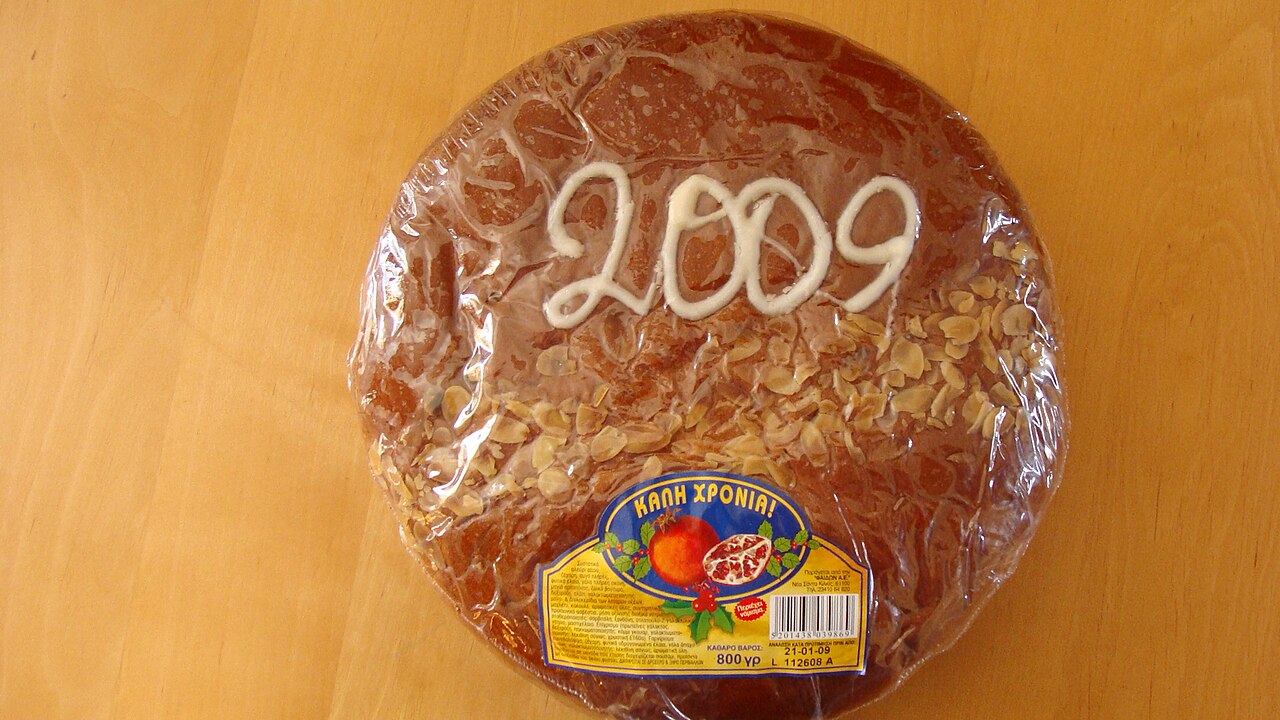
- Decorate with Intention: Many vasilopitas are simply adorned with a dusting of powdered sugar, often with the year "2024" or a cross etched into the sugar. You can also use nuts, glazes, or simple dough shapes to create festive patterns.
- Make it a Family Affair: Involve children in the baking process, from mixing ingredients to decorating the top. This builds anticipation and helps pass on the tradition to the next generation.
Embracing this tradition is a beautiful way to connect with cultural heritage and infuse your New Year's celebrations with an extra layer of meaning and hopeful anticipation.
A Sweet Tradition of Hope and Community
The tradition of the hidden coin cake, from the fragrant Greek
vasilopita to the savory Serbian česnica and beyond, stands as a testament to the enduring human desire for good fortune, community, and meaningful rituals. These festive bakes transcend mere culinary delight, serving as edible symbols of hope, charity, and renewal as we step into a new year. They unite families and communities, turning a simple slice of cake into a moment of shared joy, anticipation, and the promise of blessings to come. As the knife descends and the lucky coin is eventually discovered, this ancient custom reminds us that even in the simplest of gestures, profound meaning and lasting memories can be found.